

There are few experiences in the natural world as humbling as trekking gorillas in the jungle. You push through dense vegetation, follow the quiet instructions of a ranger, and then the foliage parts to reveal a family of mountain gorillas going about their day. No fences, no vehicles, no glass. Just you, the forest and some of the planet’s most remarkable animals. This guide covers where gorilla trekking happens, how a jungle trek unfolds, what to prepare, how to behave and why your visit matters for conservation.
What Does Trekking Gorillas in the Jungle Really Mean?
Gorilla trekking is a guided walk through tropical and montane forest to find a habituated gorilla family. “Habituated” means the animals have been gradually accustomed to the presence of humans over a period of two or more years, so they tolerate observers at a respectful distance. The experience is wild and unscripted. You are entering the gorillas’ home, on their terms, and the encounter depends on where they decided to feed and rest that day.
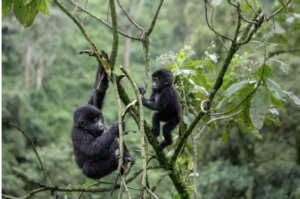
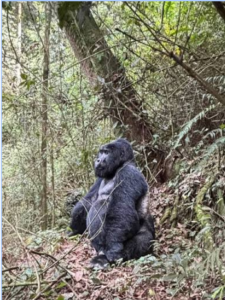
The jungle setting is central to the experience. Gorilla habitat is thick with vines, bamboo, moss-covered trees and steep, uneven ground. Trails are often narrow or nonexistent, and rangers sometimes cut a path with machetes. That rawness is exactly what makes the encounter feel so authentic.
Where to Go Trekking Gorillas in the Jungle
Mountain gorillas live in only a few protected areas, which makes choosing your destination an important first step.
Bwindi Impenetrable National Park, Uganda
Bwindi is an ancient rainforest and home to roughly half of the world’s mountain gorillas. It has multiple trekking sectors, including Buhoma, Ruhija, Rushaga and Nkuringo, each with its own character and difficulty. The terrain is steep and densely forested, delivering a classic jungle experience.
Mgahinga Gorilla National Park, Uganda
Located on the slopes of the Virunga volcanoes, Mgahinga offers a smaller but scenic setting with bamboo forest and volcanic backdrops.
Volcanoes National Park, Rwanda
Close to Kigali and well organized, Volcanoes National Park combines accessible logistics with dramatic scenery. Treks pass through farmland, bamboo and montane forest before reaching the gorillas.
Virunga National Park, Democratic Republic of Congo
Virunga offers a spectacular and wild setting, but security conditions can change. Always check current travel advice and use experienced, licensed operators.
How a Jungle Gorilla Trek Unfolds
Understanding the sequence of the day helps you feel confident and prepared.
- Briefing at park headquarters. Early in the morning, rangers explain the rules, assign you to a gorilla family and introduce your guide. Groups are limited to eight visitors per family.
- Setting off. Trackers who have already located the gorillas guide the team toward them. The walk may take 30 minutes or several hours.
- Moving through the jungle. Expect steep slopes, mud, roots and vegetation. Armed rangers accompany the group for safety, mainly to deal with other wildlife such as forest elephants.
- Preparing for the encounter. Near the gorillas, you leave bags and walking sticks behind, keep your voice low and carry only your camera.
- The hour with the gorillas. You observe the family feeding, grooming and playing. Silverbacks, mothers and infants may be only a few meters away.
- The return. After the hour, you hike back and often receive a certificate of participation.
Physical Preparation for Jungle Trekking
Gorilla trekking is not a race, but it does demand reasonable fitness. The combination of altitude, humidity and steep terrain surprises many first-timers.
- Build stamina. Walk or hike regularly for several weeks before your trip, ideally on hills.
- Strengthen your legs. Squats, lunges and stair climbing help with steep ascents and descents.
- Break in your boots. Blisters can ruin a trek. Wear your boots on several long walks beforehand.
- Consider a porter. Porters carry your daypack, offer a helping hand on slippery sections and earn a fair income that supports local households.
- Pace yourself. Go slowly, drink water and tell your guide if you need a rest.
What to Pack for a Jungle Trek
- Waterproof hiking boots with excellent grip
- Long-sleeved tops and long trousers in neutral colors
- A lightweight waterproof jacket or poncho
- Gardening gloves for gripping branches and avoiding stinging plants
- Gaiters or long socks tucked over trousers
- Insect repellent, sunscreen and a hat
- A camera without flash, spare batteries and a waterproof bag
- A refillable water bottle and light snacks
- A small first aid kit and any personal medication
Rules and Etiquette in the Jungle
Strict rules protect both gorillas and visitors, and following them is part of the experience.
- Keep a minimum distance of about seven meters from the gorillas.
- Speak softly and avoid sudden movements.
- Do not use flash photography.
- Never eat, drink or smoke near the gorillas.
- If a gorilla approaches you, stay calm, look down and follow your guide’s instructions.
- Cover your mouth if you need to cough or sneeze, and turn away from the animals.
- Do not trek if you are sick. Gorillas share about 98 percent of their DNA with humans and can catch our illnesses.
The Best Time for Trekking Gorillas in the Jungle
Trekking operates year-round, but the season shapes your experience.
- Dry seasons (roughly June to September and December to February): Trails are firmer and less slippery, which makes the walk easier. These months are also the busiest, so permits sell out earlier.
- Wet seasons (roughly March to May and October to November): The jungle is lush and dramatic, crowds are thinner and some lodges lower their rates. Trails are muddier, so good footwear is essential.
Since the forest is a rainforest, rain can fall at any time. Pack for wet weather regardless of the month.
Permits, Costs and Planning
A gorilla permit is required for every trekker, and the number issued each day is limited. Prices vary between countries and change from time to time, with Rwanda generally charging more than Uganda. Confirm current fees with the park authority or your tour operator before finalizing your budget.
Plan to book six to twelve months ahead for peak periods. A reputable operator can arrange permits, transport, accommodation and extra activities such as chimpanzee tracking, birding and cultural visits, which turns a single trek into a well-rounded jungle adventure.
Why Your Trek Matters for Conservation
Mountain gorillas were once pushed toward extinction by poaching, habitat loss and disease. Today they remain endangered but have shown encouraging recovery thanks to ranger patrols, veterinary care and community engagement. Permit fees are one of the most important funding sources for this work. A portion of revenue also goes to communities living around the parks, giving local people a direct stake in protecting the forest.
By trekking responsibly, you help prove that living gorillas and healthy forests are worth more than the alternatives.
Key Takeaways
- Trekking gorillas in the jungle means a guided hike through dense forest to meet habituated mountain gorilla families.
- The main destinations are Uganda, Rwanda and the Democratic Republic of Congo, each offering different scenery, cost and logistics.
- A typical trek includes a briefing, a walk of 30 minutes to several hours and a one-hour encounter.
- Moderate fitness, waterproof boots, long clothing and gloves make the experience safer and more comfortable.
- Strict rules on distance, noise, flash and health protect the gorillas from stress and disease.
- Permits are limited and should be booked well in advance, with current prices confirmed beforehand.
- Your permit fee and local spending directly support conservation and nearby communities.
Conclusion
Trekking gorillas in the jungle is a journey that blends physical effort, wild scenery and a profound connection with another species. The mud, the climb and the early start all fade the moment a gorilla family comes into view. With sensible preparation, respect for the rules and a commitment to responsible travel, you will not only enjoy one of the world’s great wildlife encounters but also help secure a future for these gentle giants. If you are looking for an adventure that challenges you and gives back to conservation, a jungle gorilla trek belongs at the top of your list.
Frequently Asked Questions
- How long does a jungle gorilla trek take?
The hike can last from 30 minutes to several hours depending on where the gorillas are that day. After finding them, you spend one hour with the family before heading back. - How difficult is trekking gorillas in the jungle?
Difficulty ranges from moderate to challenging. Steep, muddy and humid terrain requires reasonable fitness, but rangers set a steady pace and porters are available to help. - Is it dangerous to be so close to wild gorillas?
Trekking is considered safe when you follow your guide’s instructions. The gorillas are habituated and rangers manage each encounter carefully. Staying calm and keeping your distance are the key safety rules. - What is the minimum age for gorilla trekking?
The minimum age is generally 15 years in the main trekking destinations. Rangers may verify ages at the briefing. - What happens if it rains during my trek?
Treks continue in the rain. Waterproof clothing and boots keep you comfortable, and the rain often adds to the atmosphere of the forest. - Can I trek if I have a cold?
Usually not. Gorillas are vulnerable to human respiratory diseases, so rangers may refuse entry to anyone who appears unwell. Permit refund policies vary, so check your booking terms. - Do I need to hire a porter?
It is not compulsory, but it is strongly encouraged. A porter carries your gear, helps on steep sections and the fee supports local families. - How many people can visit a gorilla family each day?
A maximum of eight visitors per gorilla family per day. This limit reduces disturbance and helps protect the animals. - Which country is best for trekking gorillas in the jungle?
Uganda offers dense, classic jungle terrain and lower permit prices, while Rwanda offers easy access from Kigali and strong infrastructure. The best choice depends on your budget, time and fitness. - Can I take photos during the trek?
Yes, but flash is not allowed. Use a camera with good low-light performance, keep your movements slow and protect your equipment from moisture.