

A Tanzania safari represents one of the most authentic and rewarding wildlife experiences in the world. Home to vast savannahs, ancient ecosystems, and the greatest concentration of wild animals on the African continent, Tanzania offers travelers an unparalleled opportunity to witness nature in its purest form. From the endless plains of the Serengeti to the breathtaking Ngorongoro Crater, a safari in Tanzania is not just a journey—it is a life-changing adventure.
This guide explores everything you need to know about a Tanzania safari, including top destinations, wildlife encounters, best times to visit, safari types, and practical travel insights.
Why Choose a Tanzania Safari?
Tanzania stands out among African safari destinations for several reasons:
- Over 30% of the country is protected land
- Home to the Great Wildebeest Migration
- Exceptional biodiversity with over 4 million wild animals
- Authentic safari experiences with minimal commercialization
- Access to both wildlife safaris and cultural encounters
Unlike some destinations that focus heavily on luxury tourism, Tanzania balances conservation, authenticity, and sustainable travel.
Top Tanzania Safari Destinations
Serengeti National Park
The Serengeti National Park is Tanzania’s most famous safari destination and a UNESCO World Heritage Site. Known for its endless grasslands, the Serengeti hosts the world’s largest terrestrial mammal migration.
Highlights:
- The Great Wildebeest Migration
- Large lion prides
- Cheetahs, leopards, and hyenas
- Year-round wildlife viewing
The Serengeti is ideal for travelers seeking classic safari landscapes and dramatic predator-prey interactions.
Ngorongoro Crater
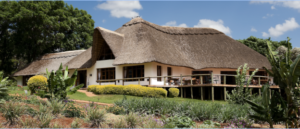
The Ngorongoro Crater is the world’s largest intact volcanic caldera and one of Africa’s most unique safari environments.
Highlights:
- Extremely high wildlife density
- Excellent chance to see the Big Five
- Stunning panoramic views
- Permanent water sources attracting animals year-round
Because animals remain inside the crater, sightings are frequent and reliable.
Tarangire National Park
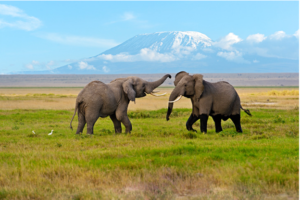
Often overlooked, Tarangire National Park is famous for its massive elephant herds and ancient baobab trees.
Highlights:
- Large elephant populations
- Seasonal river attracting wildlife
- Less crowded than Serengeti
- Excellent birdlife
Tarangire is particularly impressive during the dry season when animals gather around the Tarangire River.
Lake Manyara National Park
Nestled between the Great Rift Valley and Lake Manyara, this park offers diverse ecosystems within a compact area.
Highlights:
- Tree-climbing lions
- Flamingos and water birds
- Groundwater forests
- Ideal for short safaris
Lake Manyara is perfect as an introduction to Tanzania safaris or as part of a northern circuit itinerary.
Selous Game Reserve (Nyerere National Park)
One of Africa’s largest protected areas, Nyerere National Park offers a more remote and exclusive safari experience.
Highlights:
- Boat safaris on the Rufiji River
- Walking safaris
- Fewer tourists
- Wild, untouched landscapes
This park is ideal for experienced travelers seeking solitude and adventure.
Wildlife You Can See on a Tanzania Safari
A Tanzania safari offers some of the richest wildlife encounters in Africa.
The Big Five
- Lion
- Leopard
- Elephant
- Buffalo
- Rhinoceros
Other Notable Species
- Cheetah
- Giraffe
- Zebra
- Wildebeest
- Hippopotamus
- Crocodile
Birdlife
Tanzania hosts over 1,100 bird species, making it a paradise for birdwatchers.
The Great Wildebeest Migration
The Great Migration is one of the most spectacular natural events on Earth. Over 1.5 million wildebeest, accompanied by zebras and gazelles, move in a circular route between Tanzania and Kenya in search of fresh grazing.
Migration Highlights:
- Calving season (Southern Serengeti)
- Dramatic river crossings
- Intense predator activity
- Year-round movement, not a single event
Witnessing this phenomenon is a major reason travelers choose a Tanzania safari.
Types of Tanzania Safari Experiences
Game Drive Safaris
The most popular option, conducted in 4×4 vehicles with experienced guides.
Walking Safaris
Offered in select parks, these allow travelers to explore nature on foot with armed rangers.
Boat Safaris
Available in parks like Nyerere, providing a unique water-level perspective of wildlife.
Luxury Safaris
High-end lodges, private guides, and exclusive camps for maximum comfort.
Budget Safaris
Affordable group tours and camping options for cost-conscious travelers.
Best Time to Go on a Tanzania Safari
Dry Season (June to October)
- Best wildlife viewing
- Easier animal spotting
- Peak tourist season
Green Season (November to May)
- Lush landscapes
- Fewer tourists
- Excellent birdwatching
- Calving season in February
Tanzania offers great safari opportunities year-round, depending on travel goals.
Safari Accommodation Options
- Luxury Lodges – High comfort, premium services
- Tented Camps – Authentic safari atmosphere
- Mid-range Lodges – Balance of comfort and value
- Public Campsites – Budget-friendly, adventurous
Accommodation is often located inside or near national parks for optimal wildlife access.
Cultural Experiences in Tanzania
A Tanzania safari can be enriched with cultural interactions, including visits to:
- Maasai villages
- Local markets
- Traditional communities
- Coffee plantations
These experiences provide insight into Tanzania’s rich human heritage alongside its wildlife.
Responsible and Sustainable Safari Tourism
Tanzania places strong emphasis on conservation and sustainable tourism:
- Community-based tourism initiatives
- Anti-poaching programs
- Eco-friendly lodges
- Wildlife protection laws
Choosing responsible operators helps preserve Tanzania’s natural heritage for future generations.
Planning Your Tanzania Safari
When planning a Tanzania safari, consider:
- Travel season
- Budget
- Duration (7–10 days recommended)
- Safari style
- Park preferences
Working with a reputable safari operator ensures safety, comfort, and expert guidance.
Conclusion
A Tanzania safari is more than just a wildlife holiday—it is an immersive journey into one of the world’s last great natural sanctuaries. With its legendary national parks, extraordinary biodiversity, and commitment to conservation, Tanzania offers safari experiences that are both thrilling and meaningful. Whether witnessing the Great Migration, exploring the Ngorongoro Crater, or enjoying a quiet moment on the Serengeti plains, Tanzania delivers unforgettable memories that last a lifetime.
Key Takeaways
- Tanzania is one of Africa’s top safari destinations
- Home to the Great Wildebeest Migration
- Offers diverse parks and ecosystems
- Suitable for luxury, mid-range, and budget travelers
- Wildlife viewing is excellent year-round
- Strong focus on conservation and sustainability
Frequently Asked Questions (FAQs)
What is the best safari destination in Tanzania?
The Serengeti National Park is the most famous, but Ngorongoro Crater and Tarangire are also exceptional.
How many days are ideal for a Tanzania safari?
A minimum of 7 days is recommended to fully experience multiple parks.
Is Tanzania safe for safari travelers?
Yes, Tanzania is considered safe for tourists, especially when traveling with licensed safari operators.
Can beginners go on a Tanzania safari?
Absolutely. Tanzania is suitable for first-time safari travelers due to its excellent infrastructure and experienced guides.
Is a Tanzania safari expensive?
Costs vary widely. Budget safaris are affordable, while luxury safaris can be premium-priced.
Do I need a visa for Tanzania?
Most travelers require a tourist visa, which can be obtained online or on arrival.